
White residue on the inside of my Tirz vial — is this normal? Picture included

MisterM.

Explorer
Joined
Feb 19, 2026
Messages
26
Reaction score
0
Location
Frankfurt/Germany/Europe
Hello,

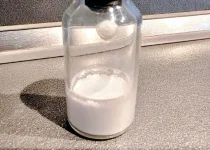
I have a quick question. I was about to reconstitute a Tirz vial, and I noticed a white residue on the glass wall of the vial?

Could this come from the powder, or might it be some kind of contamination? Has anyone else run into a similar situation before?

I'm feeling a little uneasy about it now. Take a look at the picture below and let me know your thoughts.


b35291be70d31fa2a758cfe23919cd84e3dc58c896dfb72f9ce0f708a7230e00.webp
 
Nothing to worry about. As far as I understand it, the drying step during production pulls out every trace of moisture, and that makes the puck contract once it is fully dry.

That appearance shows up in about 90% of the vials I have.
 
MisterM. said:

Hello,

I have a quick question. I was about to reconstitute a Tirz vial, and I noticed a white residue on the glass wall of the vial?

Could this come from the powder, or might it be some kind of contamination? Has anyone else run into a similar situation before?

I'm feeling a little uneasy about it now. Take a look at the picture below and let me know your thoughts.


/
The puck itself appears fine.

In most cases you would not be able to spot contamination anyway.

This is the expected appearance.

Have you had it tested? Are you part of a testing group? Or do you just inject and hope for the best?
 
Skidude said:

The puck itself appears fine.

In most cases you would not be able to spot contamination anyway.

This is the expected appearance.

Have you had it tested? Are you part of a testing group? Or do you just inject and hope for the best?
Purity, Concentration and Edotoxine were all tested, yes. The thing is, just that single Vial shows the white Spot (Eye) sitting on the Vial Wall above the Puck. Before pinning, that bothered me enough to come here and ask the old Profs.
 
MisterM. said:

Purity, Concentration and Edotoxine were all tested, yes. The thing is, just that single Vial shows the white Spot (Eye) sitting on the Vial Wall above the Puck. Before pinning, that bothered me enough to come here and ask the old Profs.
Now I can see it — there's something on the upper side of the vial, along the shoulder.

Most likely this comes from how the vial was dried.

That said, I've handled and injected from plenty of unattractive pucks and powders, but this particular look is something I haven't come across before.

Curious what the rest of you think.

Knowing you sent it for testing does ease my mind.

3b44d94740ad65fd80299ff580400bd9200fdd6f26ace3cd911d57bb861d27d3.webp
 
Skidude said:

Now I can see it — there's something on the upper side of the vial, along the shoulder.

Most likely this comes from how the vial was dried.

That said, I've handled and injected from plenty of unattractive pucks and powders, but this particular look is something I haven't come across before.

Curious what the rest of you think.

Knowing you sent it for testing does ease my mind.

/
yeah, I'm not an expert by any means, but I've come across all kinds of dried powder residue left in vials....some of it sits around the puck's edges and some collects way up close to the stopper...I'll even turn the vial upside down while swirling the recon liquid, just to be sure every bit of that stray powder up top gets dissolved...

Like the skidude said, its unusual, but for me personally, I wouldn't be to worried about it.... 👍
 
Flash-BCR said:

yeah, I'm not an expert by any means, but I've come across all kinds of dried powder residue left in vials....some of it sits around the puck's edges and some collects way up close to the stopper...I'll even turn the vial upside down while swirling the recon liquid, just to be sure every bit of that stray powder up top gets dissolved...

Like the skidude said, its unusual, but for me personally, I wouldn't be to worried about it.... 👍
Thanks, and one more thing: when I push the syringe through the rubber stopper, the BAC usually gets drawn in on its own. This time, though, only half of the BAC water went in by itself — the rest I had to force in. Has anyone else run into this? Previously, whenever I reconstituted, the whole thing went in automatically once the syringe was through the rubber seal.
 
MisterM. said:

Thanks, and one more thing: when I push the syringe through the rubber stopper, the BAC usually gets drawn in on its own. This time, though, only half of the BAC water went in by itself — the rest I had to force in. Has anyone else run into this? Previously, whenever I reconstituted, the whole thing went in automatically once the syringe was through the rubber seal.
So there was some vacuum present.

Opinions differ on this, even in cases where no vacuum exists — some people treat it as a problem, others don't.

In the past I've injected kits that had no vacuum at all (different peptides), and nothing went wrong.

For me personally, the fact that some vacuum was there wouldn't be a concern.

When you reconstituted it, did it come out clear, and did that powder stuck to the side dissolve too?
 
Skidude said:

So there was some vacuum present.

Opinions differ on this, even in cases where no vacuum exists — some people treat it as a problem, others don't.

In the past I've injected kits that had no vacuum at all (different peptides), and nothing went wrong.

For me personally, the fact that some vacuum was there wouldn't be a concern.

When you reconstituted it, did it come out clear, and did that powder stuck to the side dissolve too?

When the lyophilization process fails, one sign of that is no vacuum remaining. Throughout the whole process, the vial sits under vacuum. The stopper is meant to go in before the vacuum is broken. If that doesn't happen, room air gets drawn inside. That air carries oxygen and humidity, and both of those speed up degradation, plus bacteria, which by definition are not sterile, all entering under those conditions. In most cases, a missing vacuum points to a failure of the stopper seal.

As for how much it matters... someone could drink water from lead pipes or water laced with pesticides for decades and show no obvious problems.

A vial without vacuum should never be considered acceptable.
 
GLiPtest said:

When the lyophilization process fails, one sign of that is no vacuum remaining. Throughout the whole process, the vial sits under vacuum. The stopper is meant to go in before the vacuum is broken. If that doesn't happen, room air gets drawn inside. That air carries oxygen and humidity, and both of those speed up degradation, plus bacteria, which by definition are not sterile, all entering under those conditions. In most cases, a missing vacuum points to a failure of the stopper seal.

As for how much it matters... someone could drink water from lead pipes or water laced with pesticides for decades and show no obvious problems.

A vial without vacuum should never be considered acceptable.
As I mentioned, I've noticed this topic tends to be a contentious one.

You're making a case that runs against what other people — folks who appear quite knowledgeable — have said on the other side.

Here, though, none of that really matters.

To be clear: this particular user did have "some" vacuum.
 
MisterM. said:

Thanks, and one more thing: when I push the syringe through the rubber stopper, the BAC usually gets drawn in on its own. This time, though, only half of the BAC water went in by itself — the rest I had to force in. Has anyone else run into this? Previously, whenever I reconstituted, the whole thing went in automatically once the syringe was through the rubber seal.
I've got some Changsha product that arrived with no vacuum, but it reconstituted perfectly and came with a solid COA plus Endo results.

Skidude said:

So there was some vacuum present.

Opinions differ on this, even in cases where no vacuum exists — some people treat it as a problem, others don't.

In the past I've injected kits that had no vacuum at all (different peptides), and nothing went wrong.

For me personally, the fact that some vacuum was there wouldn't be a concern.

When you reconstituted it, did it come out clear, and did that powder stuck to the side dissolve too?
Same here. I ran that Changsha without any issues. Go ahead and reconstitute it, filter it, then check the result. Most likely that white spot will dissolve straight into the solution.
 
Back
Top