
Scientists remove “zombie” cells and reverse liver damage in mice

trojanpeptide

Explorer
Joined
Nov 9, 2025
Messages
76
Reaction score
0
Location
saskatoon, canada
Came across an interesting piece yesterday:
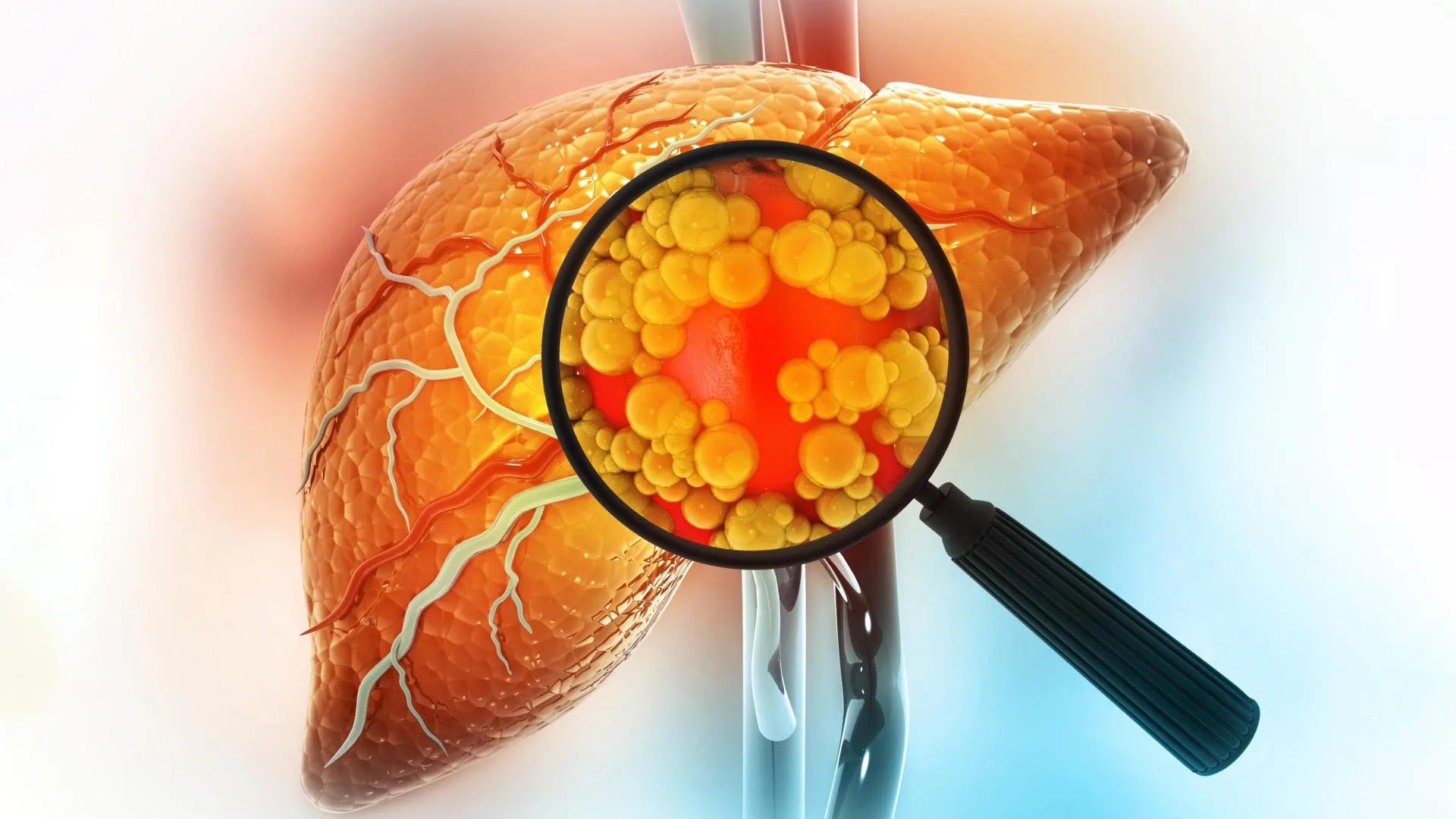
89afaf4396510b574f1c67fb33838ad1b64911638389736e891b81a8806acd07.webp


Scientists remove “zombie” cells and reverse liver damage in mice


According to the article, a harmful population of “zombie” immune cells might be behind both aging and fatty liver disease, because they drench tissues in inflammation. These cells, the researchers discovered, build up as animals get older and when cholesterol is high—in older mice they can account for the majority of the liver’s immune cells. Once the scientists eliminated them, liver...

www.sciencedaily.com

It mentions that some of the mice received navitoclax, and that {i}n mice fed a high-fat, high-cholesterol diet, liver size dropped from about 7% of body weight to a healthier 4-5% percent. Body weight also fell by about 25%, decreasing from roughly 40 grams to around 30 grams.

I wouldn't suggest anyone take navitoclax, though other senolytics exist.
 
trojanpeptide said:

Came across an interesting piece yesterday:

View attachment 11807


Scientists remove “zombie” cells and reverse liver damage in mice


According to the article, a harmful population of “zombie” immune cells might be behind both aging and fatty liver disease, because they drench tissues in inflammation. These cells, the researchers discovered, build up as animals get older and when cholesterol is high—in older mice they can account for the majority of the liver’s immune cells. Once the scientists eliminated them, liver...

www.sciencedaily.com

It mentions that some of the mice received navitoclax, and that {i}n mice fed a high-fat, high-cholesterol diet, liver size dropped from about 7% of body weight to a healthier 4-5% percent. Body weight also fell by about 25%, decreasing from roughly 40 grams to around 30 grams.

I wouldn't suggest anyone take navitoclax, though other senolytics exist.
GLP's already produce comparable effects on liver fat and inflammation. Interesting article.
 

Attachments

  • 89afaf4396510b574f1c67fb33838ad1b64911638389736e891b81a8806acd07.webp
    89afaf4396510b574f1c67fb33838ad1b64911638389736e891b81a8806acd07.webp
    100.9 KB · Views: 2
CNCCurrency said:

trojanpeptide said:

Came across an interesting piece yesterday:

View attachment 11807


Scientists remove “zombie” cells and reverse liver damage in mice


According to the article, a harmful population of “zombie” immune cells might be behind both aging and fatty liver disease, because they drench tissues in inflammation. These cells, the researchers discovered, build up as animals get older and when cholesterol is high—in older mice they can account for the majority of the liver’s immune cells. Once the scientists eliminated them, liver...

www.sciencedaily.com

It mentions that some of the mice received navitoclax, and that {i}n mice fed a high-fat, high-cholesterol diet, liver size dropped from about 7% of body weight to a healthier 4-5% percent. Body weight also fell by about 25%, decreasing from roughly 40 grams to around 30 grams.

I wouldn't suggest anyone take navitoclax, though other senolytics exist.
GLP's already produce comparable effects on liver fat and inflammation. Interesting article.
There's some truth to that, but it's not the full picture. GLP-based drugs seem to act as senomorphics — they change how senescent cells behave — yet they don't actually eliminate those cells the way real senolytics do.
 
trojanpeptide said:


You're partially right; GLPs appear to be senomorphic, but are not true senolytics.

Click to expand...
That's fair, but I'm still digging into why today's senolytics beat senomorphics. The ones we have now wipe out far too much, so senomorphics are likely the smarter choice for most people.
 
Habibibi said:


True, although I'm still trying to find out how current senolytics are superior to senomorphics. The current crop kills too many things, and most people are probably better off with senomorphics.

Click to expand...
For my part, eliminating the issue appeals to me more than simply softening it. The study referenced above relied on senolytics, and the mice did get better. Whether quercetin alone could produce the same result is unclear to me, though it's possible.

edit: further reading turned up something worth noting — GLP1-RAs raise BCL2 expression. BCL2 is a survival protein that stops a cell from destroying itself (apoptosis). That runs counter to senolysis, and it would make things harder for a senolytic like D&Q to do its job.

Slightly tangential, but since a number of cancers exploit elevated BCL2, I wondered why these agents don't push cancer rates up; the idea put forward is that GLP1-RAs' broader anti-inflammatory action offsets BCL2 overexpression.

Below is a table generated by AI


6e987a3f293e471c3c291c6ee08377a99ef7af9dc3b743225454b4778b6f4668.webp
 
trojanpeptide said:


personally i would rather get rid of the problem than to mellow it out. In the linked study, they used senolytics, the mice improved. I don't think the outcome would have been the same using just quercetin, but maybe.

edit: after doing some more reading, I noted that GLP1-RAs increase the expression of BCL2, which is a survival protein involved in preventing a cell from self destruction (ie. apoptosis). This is the opposite of senolysis, and would make it harder for a senolytic agent (such as D&Q) to function.

A little off topic, but given that several cancers take advantage of higher BCL2 expression, I was curious as to why they don't uptick cancers; it's been proposed that the overall anti-inflammatory effect of GLP1-RAs counteract BCL2's overexpression.

Here's a table AI produced

View attachment 20399

Click to expand...
This hinges on whether the cells eliminated were exclusively the "right" type. And while the mice did get better, it's uncertain whether a senomorphic would have produced a superior result.
 
Habibibi said:


That's assuming they only killed the "right" kind of cells. Also, the mice improved, but not clear if they would been better off on a senomorphic or not.

Click to expand...
You're correct that the existing evidence doesn't let us draw a firm conclusion, though I suspect there are likely upsides. Other studies have shown similar things.

3873892b6da1b31bf17ffb320b6d50f2f72a055fdfc9203091f26b294c410b57.webp


  • FOXO4-DRI is the most selective option, since it only goes after cells where p53-FOXO4 complexes are active.
  • For extending lifespan, Fisetin is the oral senolytic that works best.
  • D+Q produces outcomes that differ by sex—helpful for males, detrimental for females if administered early.
  • Even though Quercetin on its own improves healthspan, it does not extend longevity.
  • GLP-1 RAs function as senomorphics, reducing SASP while leaving senescent cells in place.
 
trojanpeptide said:


yur right we can't tell with what we already know but i think there are prob benefits. We already see this in other studies as well.

View attachment 20445

  • FOXO4-DRI has the highest selectivity, targeting only cells with active p53-FOXO4 complexes.
  • Fisetin is the most effective oral senolytic for lifespan extension.
  • D+Q shows sexually dimorphic outcomes—beneficial in males, harmful in females when given early.
  • Quercetin alone lacks longevity benefit despite healthspan improvements.
  • GLP-1 RAs act as senomorphics, suppressing SASP without clearing senescent cells.

Click to expand...
Has FOXO4-DRI been something you've experimented with? I'm considering giving it a go?
 
CNCCurrency said:


Have you tried FOXO4-DRI? I have been looking into trying it?

Click to expand...

Nope — my attempt to buy some through the vendors we know ended with customs grabbing it at the border. I did talk to another person before that, but their shipping price was way too high. In any case, I've gone ahead and ordered Dasatinib as my first thing to test.
 
trojanpeptide said:


  • Fisetin is the most effective oral senolytic for lifespan extension.

Click to expand...

Another reason to eat plenty of strawberries — I sprinkle them over my oats each morning.

Should you feel like diving into some solid research, search PubMed for Fisetin.
 
trojanpeptide said:


personally i would rather get rid of the problem than to mellow it out. In the linked study, they used senolytics, the mice improved. I don't think the outcome would have been the same using just quercetin, but maybe.

edit: after doing some more reading, I noted that GLP1-RAs increase the expression of BCL2, which is a survival protein involved in preventing a cell from self destruction (ie. apoptosis). This is the opposite of senolysis, and would make it harder for a senolytic agent (such as D&Q) to function.

A little off topic, but given that several cancers take advantage of higher BCL2 expression, I was curious as to why they don't uptick cancers; it's been proposed that the overall anti-inflammatory effect of GLP1-RAs counteract BCL2's overexpression.

Here's a table AI produced

View attachment 20399

Click to expand...

bcl-2 family expression on its own isn't tied to cancer development because these are not genuine oncogenes. They don't drive cell division, angiogenesis, or similar processes. Their only effect is to tip the scales toward cell survival, which isn't inherently harmful. Still, when cells already carry oncogenic mutations, having bvl2 overexpressed is clearly linked to worse outcomes.
 
Back
Top