

I want to be upfront: I have no medical training, so any decisions based on what follows are yours to make. My routine involves six training days per week (CrossFit, with Olympic and power lifting included) plus two runs weekly (2–10 miles). No allergies or medical conditions that I know of.
My first Reta dose was on December 22, 2025 (blue boxers in the photos), and the comparison shot was taken January 31st 2026 — about a 6 week span (navy blue shorts in the photos). Reta was the only peptide I used, alongside 3-6 grams of creatine per day (3 grams on lighter lifting days with more cardio, 6 grams on heavier lifting days with less cardio).
Goal:
I wanted additional support for appetite control and to shed some extra fat from my love handles and lower stomach. For the time being, I have deliberately kept my diet largely unchanged (other than consuming fewer calories because my appetite is lower) until I get the side effects under better control, since Reta is something I am still learning about as I go. Once I progress further and sharpen my goals, tracking calories and macros is the next step I intend to take.
Diet:
What I eat has stayed the same, with roughly 130-180 grams of protein daily, low fat, and carbs kept more limited because of the appetite suppression. My main focus remains protein intake until I once again stabilize (get used to) the Reta or figure out ways to run my body efficiently while on it.
Reconstitution:
My philosophy is low and slow, so a smaller dose sustained over time that still delivers results is preferable.
Week 1 - Week 6 Below:
Side Effects:
Everything listed below is what happened in my case, and Reta can affect other users differently, so bear that in mind. Splitting the doses was the step I took to reduce the side effects I was having.
Fatigue persisted through weeks 1–3 and appeared to line up with Reta's appetite suppression and my trouble getting enough carbs and calories overall. Once the tiredness and lack of motivation became too much, I changed my dosing to a split of 1.0mg Sunday evening and 0.5mg Thursday evening. Tolerability improved with that change, and hitting adequate calorie intake became easier. Appetite suppression is still strong — now I eat only when I need fuel for training, which means I can actually eat, unlike earlier weeks when I had no desire to eat or drink at all.
Sleep quality was also clearly worse during weeks 2 through 4. Sometimes falling asleep was harder, and staying asleep felt less consistent, so mornings left me feeling unrefreshed. My sleep has since improved and is now close to normal, but my HRV is still below my usual baseline (I use a Garmin watch). Even with better sleep, the lower HRV has been a steady signal that recovery and readiness are still behind. That matched my day-to-day experience, including more fatigue, lower resilience, and less capacity to train hard.
All told, this stretch affected both how consistently I trained and how well I trained. When I did work out, starting sessions and staying with them mentally felt harder. Discipline had to carry more weight than motivation, and I was more inclined to scale workouts, lower intensity, or simply get through the session rather than perform well. As symptoms eased, my willingness to train came back, but the lower HRV has stayed a reminder that I still need to be deliberate about recovery, sleep consistency, and adequate calorie intake.
Next Steps:
My plan is to keep the adjustments that improved tolerability while adding more structure to nutrition and recovery. The split dosing schedule will continue because it has helped reduce side effects and allowed for more consistent calorie intake. Because low appetite and reduced carbohydrate intake seem to correlate with fatigue, low motivation, and sleep disruption, I will prioritize meeting a minimum daily calorie and carbohydrate target even on days when appetite is low. As symptoms stabilize, I will begin tracking calories and macros to better align intake with training demands, keeping protein consistent while using carbohydrates more intentionally to support performance and recovery.
From a gastrointestinal standpoint, I'm going to avoid large sugar intakes and excessive carbohydrate loads in a single sitting, as these have been triggers for stomach upset and loose stools. I'm also continue to use electrolytes as needed, particularly around training, to support hydration and overall tolerance. I'll have to continue to monitor recovery indicators on an ongoing basis, including sleep quality, HRV trends that remain lower than my baseline, try to also fix my motivation, training performance, and digestive stability. Any dosing, nutrition, or training adjustments will be made gradually so I can clearly identify what improves symptoms and what worsens them.
I may look into some other peptides to stack as I do have some in mind but am enjoying the research and trial and error in taking Reta. Just to name the one that catches my eye off the bat to combat some of my negative sides effects: CJC (No DAC) / IPA.
Conclusion:
The overall change is noticeable. My waistline is tighter, my midsection is flatter, and the biggest improvement has been in the lower stomach and love handle area. Just as important, my performance has stayed consistent and my main lifts in the gym have not decreased throughout the process. My body weight has also moved in the right direction (down 7 pounds), which tells me the progress is coming from fat loss while maintaining strength and overall build.
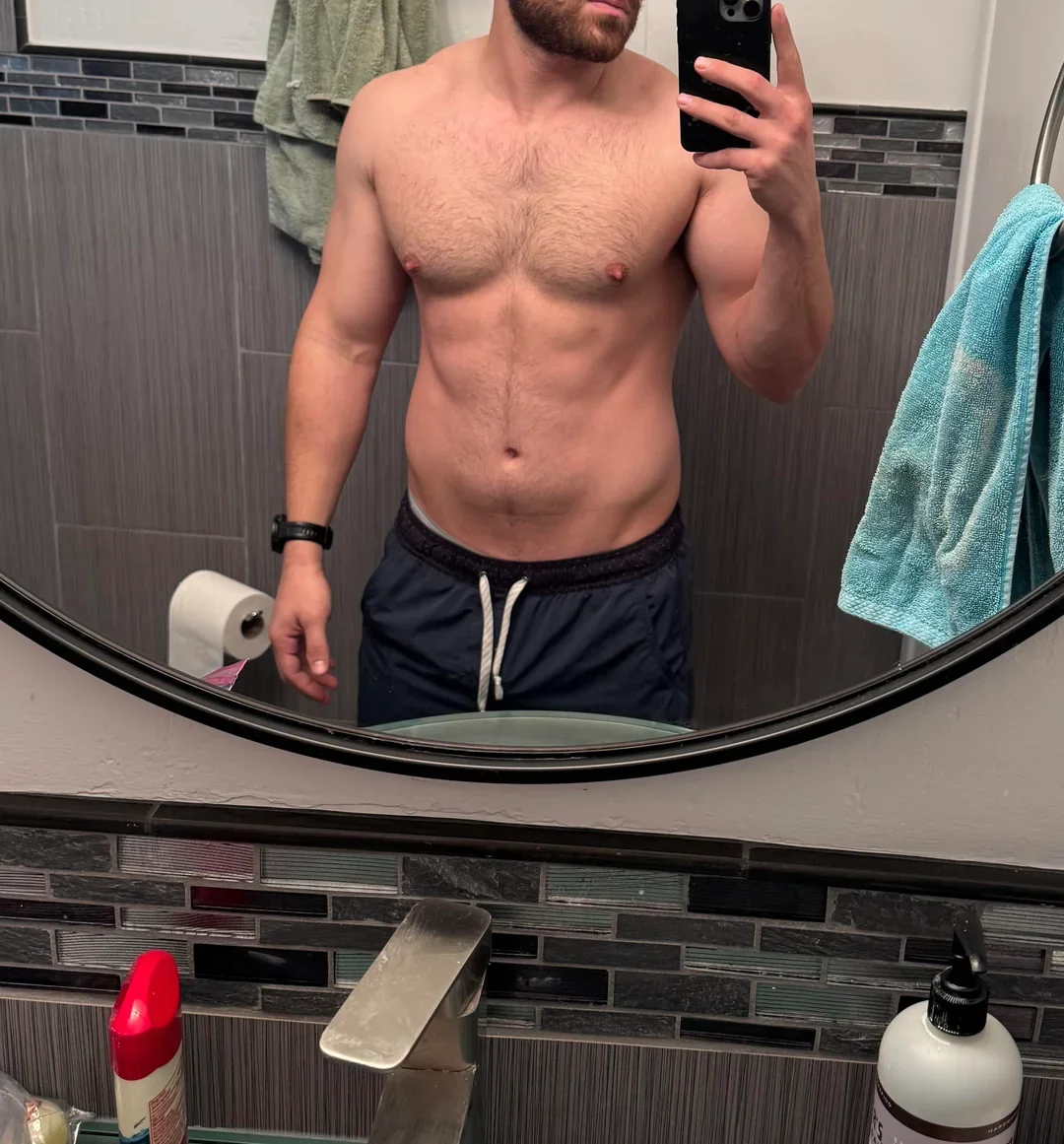
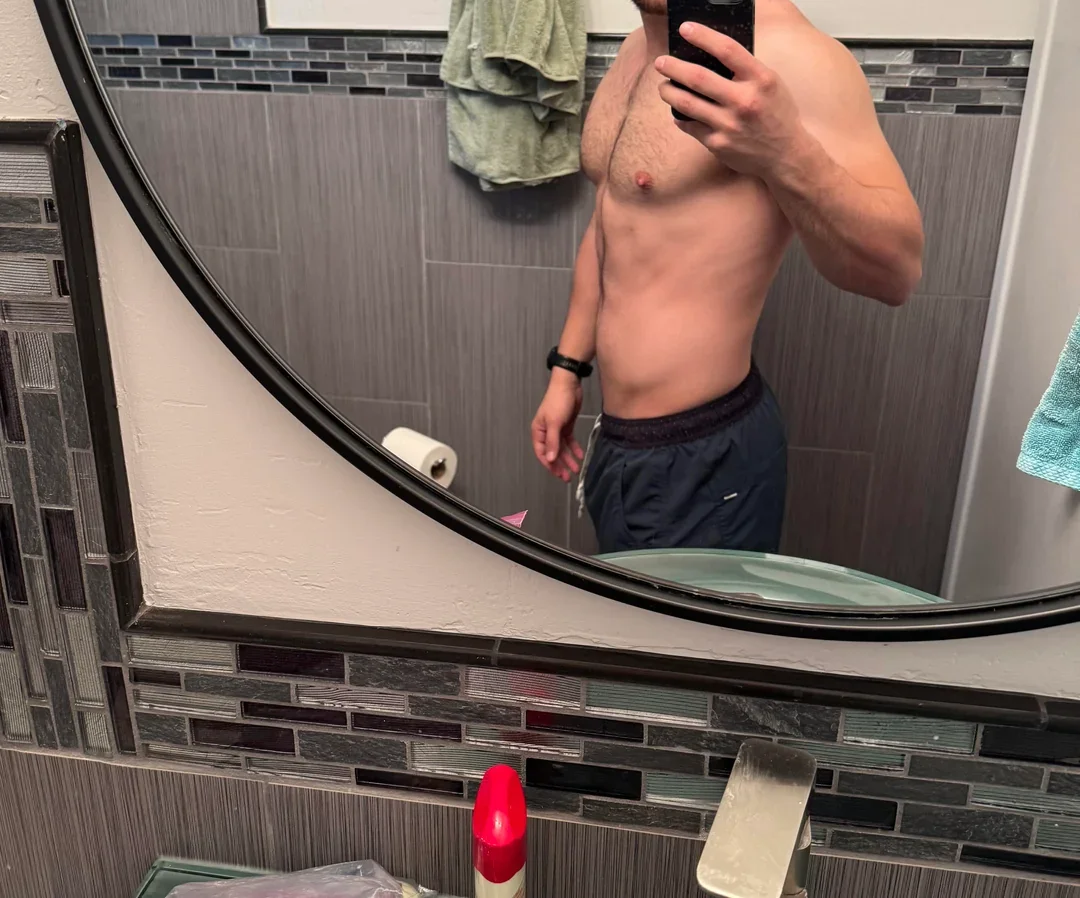
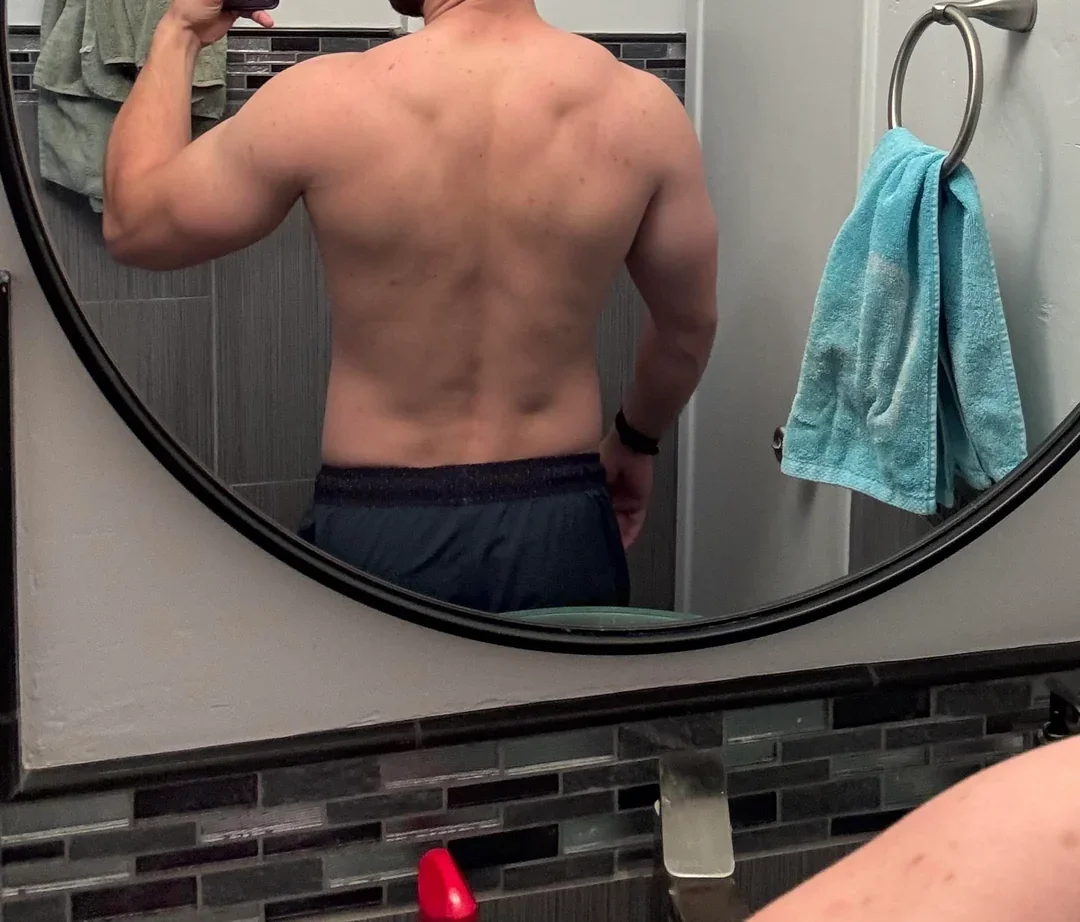
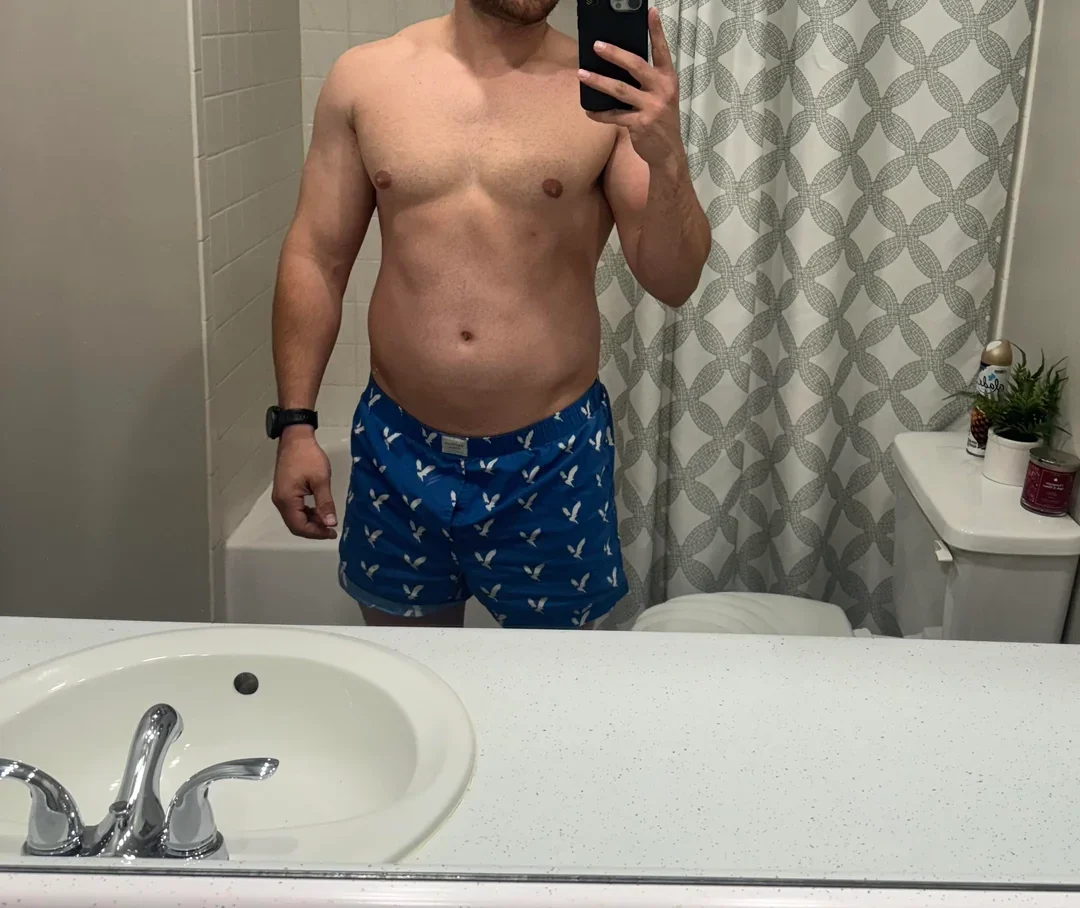
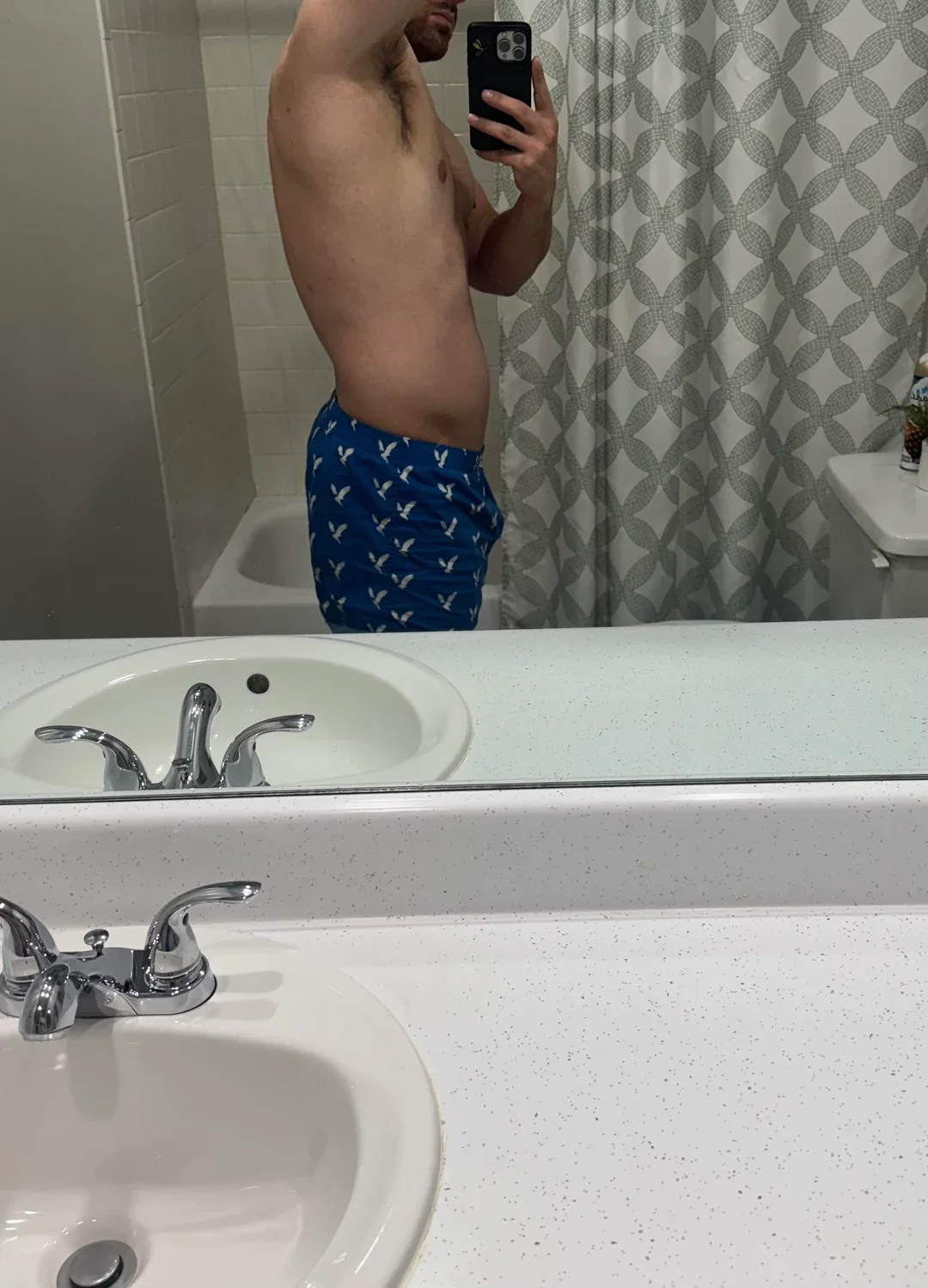
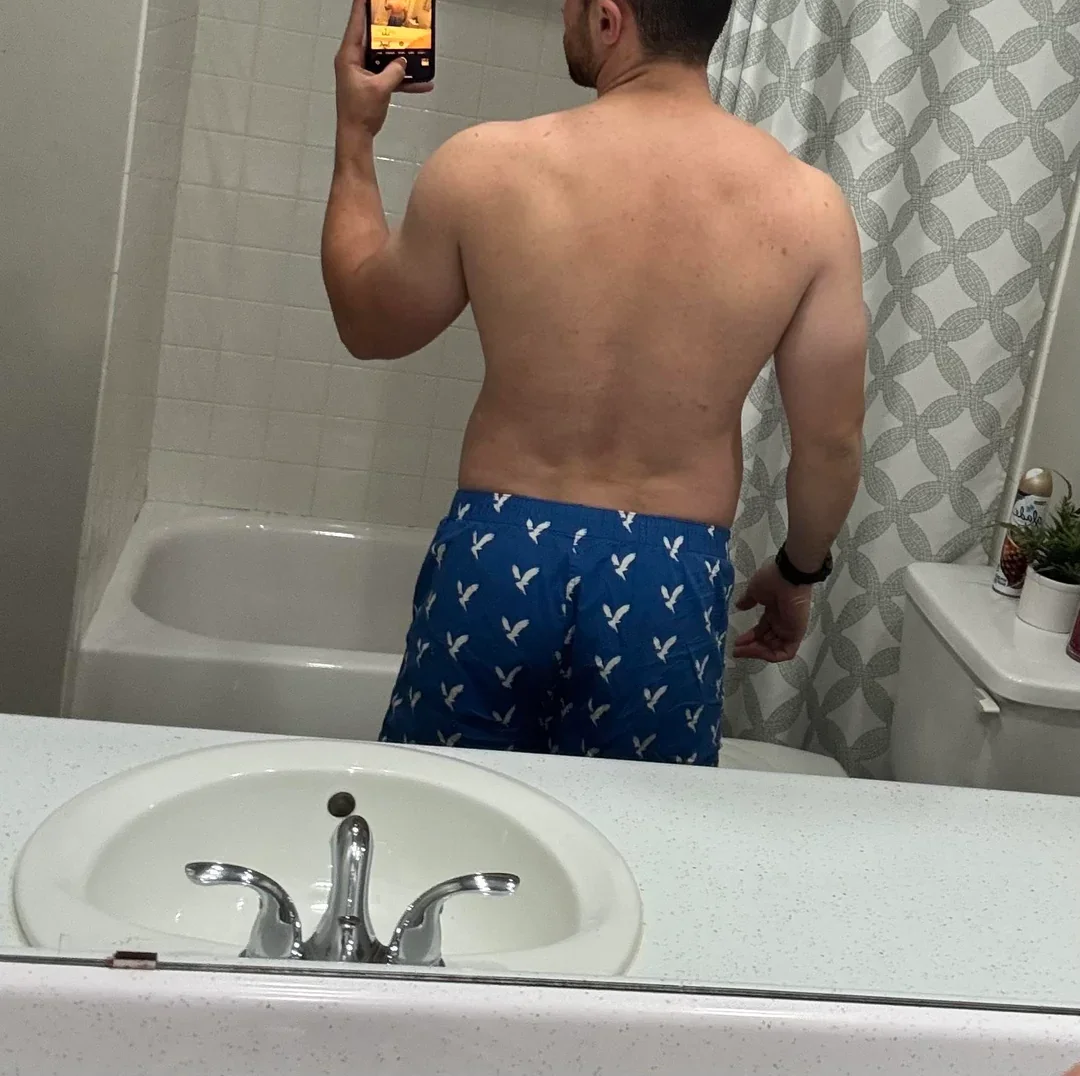
My first Reta dose was on December 22, 2025 (blue boxers in the photos), and the comparison shot was taken January 31st 2026 — about a 6 week span (navy blue shorts in the photos). Reta was the only peptide I used, alongside 3-6 grams of creatine per day (3 grams on lighter lifting days with more cardio, 6 grams on heavier lifting days with less cardio).
Goal:
I wanted additional support for appetite control and to shed some extra fat from my love handles and lower stomach. For the time being, I have deliberately kept my diet largely unchanged (other than consuming fewer calories because my appetite is lower) until I get the side effects under better control, since Reta is something I am still learning about as I go. Once I progress further and sharpen my goals, tracking calories and macros is the next step I intend to take.
Diet:
What I eat has stayed the same, with roughly 130-180 grams of protein daily, low fat, and carbs kept more limited because of the appetite suppression. My main focus remains protein intake until I once again stabilize (get used to) the Reta or figure out ways to run my body efficiently while on it.
Reconstitution:
- 12mg Vial, reconstituted with 1ML of Hospira bacteriostatic water
- 1mg would equate to 8 units using a 100 unit (1ML) syringe
My philosophy is low and slow, so a smaller dose sustained over time that still delivers results is preferable.
Week 1 - Week 6 Below:
- 1.0mg (8 units)
- 1.0mg (8 units)
- 1.5mg (12 units)
- 1.0mg (8 units, Sunday) + 0.5mg (4 units, Thursday)
- 1.0mg (8 units, Sunday) + 0.5mg (4 units, Thursday)
- 1.0mg (8 units, Sunday) + 1.0mg (8 units, Thursday)
Side Effects:
Everything listed below is what happened in my case, and Reta can affect other users differently, so bear that in mind. Splitting the doses was the step I took to reduce the side effects I was having.
- Skin Sensitivity, Flu-Like Symptoms, and Cold Sensation
Fatigue persisted through weeks 1–3 and appeared to line up with Reta's appetite suppression and my trouble getting enough carbs and calories overall. Once the tiredness and lack of motivation became too much, I changed my dosing to a split of 1.0mg Sunday evening and 0.5mg Thursday evening. Tolerability improved with that change, and hitting adequate calorie intake became easier. Appetite suppression is still strong — now I eat only when I need fuel for training, which means I can actually eat, unlike earlier weeks when I had no desire to eat or drink at all.
- Gastrointestinal Sensitivity to Sugar and Higher Carbs
- Baseline Digestive History and Changes on Reta (Huge Positive Side Effect)
- Psychological Effects, Sleep, and Recovery
Sleep quality was also clearly worse during weeks 2 through 4. Sometimes falling asleep was harder, and staying asleep felt less consistent, so mornings left me feeling unrefreshed. My sleep has since improved and is now close to normal, but my HRV is still below my usual baseline (I use a Garmin watch). Even with better sleep, the lower HRV has been a steady signal that recovery and readiness are still behind. That matched my day-to-day experience, including more fatigue, lower resilience, and less capacity to train hard.
All told, this stretch affected both how consistently I trained and how well I trained. When I did work out, starting sessions and staying with them mentally felt harder. Discipline had to carry more weight than motivation, and I was more inclined to scale workouts, lower intensity, or simply get through the session rather than perform well. As symptoms eased, my willingness to train came back, but the lower HRV has stayed a reminder that I still need to be deliberate about recovery, sleep consistency, and adequate calorie intake.
Next Steps:
My plan is to keep the adjustments that improved tolerability while adding more structure to nutrition and recovery. The split dosing schedule will continue because it has helped reduce side effects and allowed for more consistent calorie intake. Because low appetite and reduced carbohydrate intake seem to correlate with fatigue, low motivation, and sleep disruption, I will prioritize meeting a minimum daily calorie and carbohydrate target even on days when appetite is low. As symptoms stabilize, I will begin tracking calories and macros to better align intake with training demands, keeping protein consistent while using carbohydrates more intentionally to support performance and recovery.
From a gastrointestinal standpoint, I'm going to avoid large sugar intakes and excessive carbohydrate loads in a single sitting, as these have been triggers for stomach upset and loose stools. I'm also continue to use electrolytes as needed, particularly around training, to support hydration and overall tolerance. I'll have to continue to monitor recovery indicators on an ongoing basis, including sleep quality, HRV trends that remain lower than my baseline, try to also fix my motivation, training performance, and digestive stability. Any dosing, nutrition, or training adjustments will be made gradually so I can clearly identify what improves symptoms and what worsens them.
I may look into some other peptides to stack as I do have some in mind but am enjoying the research and trial and error in taking Reta. Just to name the one that catches my eye off the bat to combat some of my negative sides effects: CJC (No DAC) / IPA.
Conclusion:
The overall change is noticeable. My waistline is tighter, my midsection is flatter, and the biggest improvement has been in the lower stomach and love handle area. Just as important, my performance has stayed consistent and my main lifts in the gym have not decreased throughout the process. My body weight has also moved in the right direction (down 7 pounds), which tells me the progress is coming from fat loss while maintaining strength and overall build.

 .

