
GLP-1 and Alzheimer's

ChicagoFit

Explorer
Joined
Feb 5, 2026
Messages
86
Reaction score
0
Location
Chicago, IL
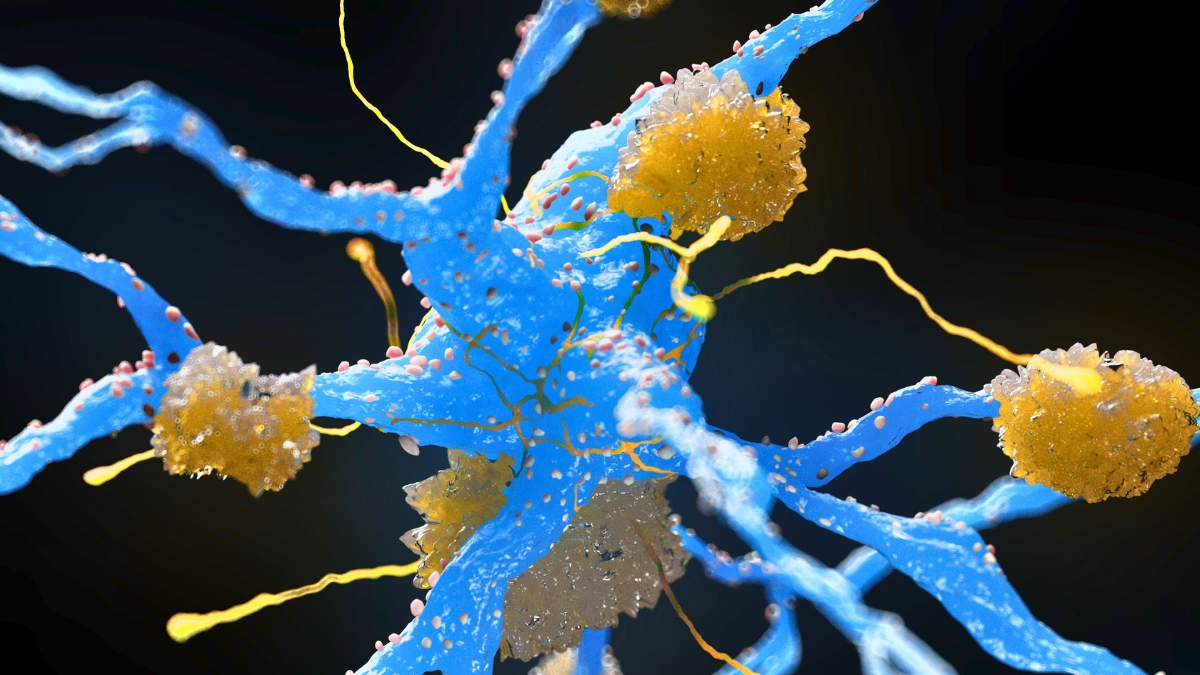
GLP-1, along with lower levels of tau tangles and amyloid-beta plaques (which are characteristic of Alzheimer's):


21f3bf6be147bae8131e7381333f1634b64b330a43266c6762deb29bdf8612eb.jpg


Weight-Loss Drugs May Reduce Buildup of Alzheimer's Proteins, Major Review Finds


A fresh review, drawing mostly on preclinical research, connects these widely used diabetes and weight-loss drugs to a restriction of dementia's molecular markers, further extending the growing roster of possible GLP-1 drug advantages.

ce0a968f66e1a2e072f22f4ecb6d4bf62b819baa170123b522b7605d4fb8b53e.png


www.sciencealert.com
 
From what I remember, Novo ran research on sema in relation to Alzheimer's. As far as I can recall, those trials didn't hit the clinical endpoints they had set. Still, it seems like there's plenty left to find out!
 
A huge body of preclinical work — spanning cell cultures and animal models — indicates that GLP's protect neurons. Beyond that, certain statistical findings suggest dementia appears less often among diabetics who receive GLP's. What's missing, however, is solid prospective controlled clinical trial data demonstrating that it slows progression or onset, and 1 recent trial found them ineffective against alzheimer's progression. Many human studies are currently in progress.

It's plausible that it could ward off alzheimer's, though treatment might have to begin early, prior to damage taking hold. Research of that kind requires far more time and money. Still, keep in mind that at least 12 distinct approaches have prevented or cured alzheimer's in mouse or rat models, only to fail in human trials. Nobody has settled on what actually causes it — tau? amyloid? blood brain barrier dysfunction? metabolic processes in neurones or astrocytes or glia? inflammation? microbiome dysbiosis? etc etc. Confusion of this sort typically makes it harder to develop therapies that genuinely work.
 
Back
Top